Private AI image generation software is a tool that turns text prompts into images while keeping your prompts, reference files, and results under your control. For teams working with unreleased products, client assets, or regulated data, that control matters as much as image quality. This guide explains what to look for and how to evaluate your options.
Quick answer: Choose a generator that states you own your data, hosts its own models, never trains on your inputs, and offers access controls and export. Then pilot it on real work before you commit.
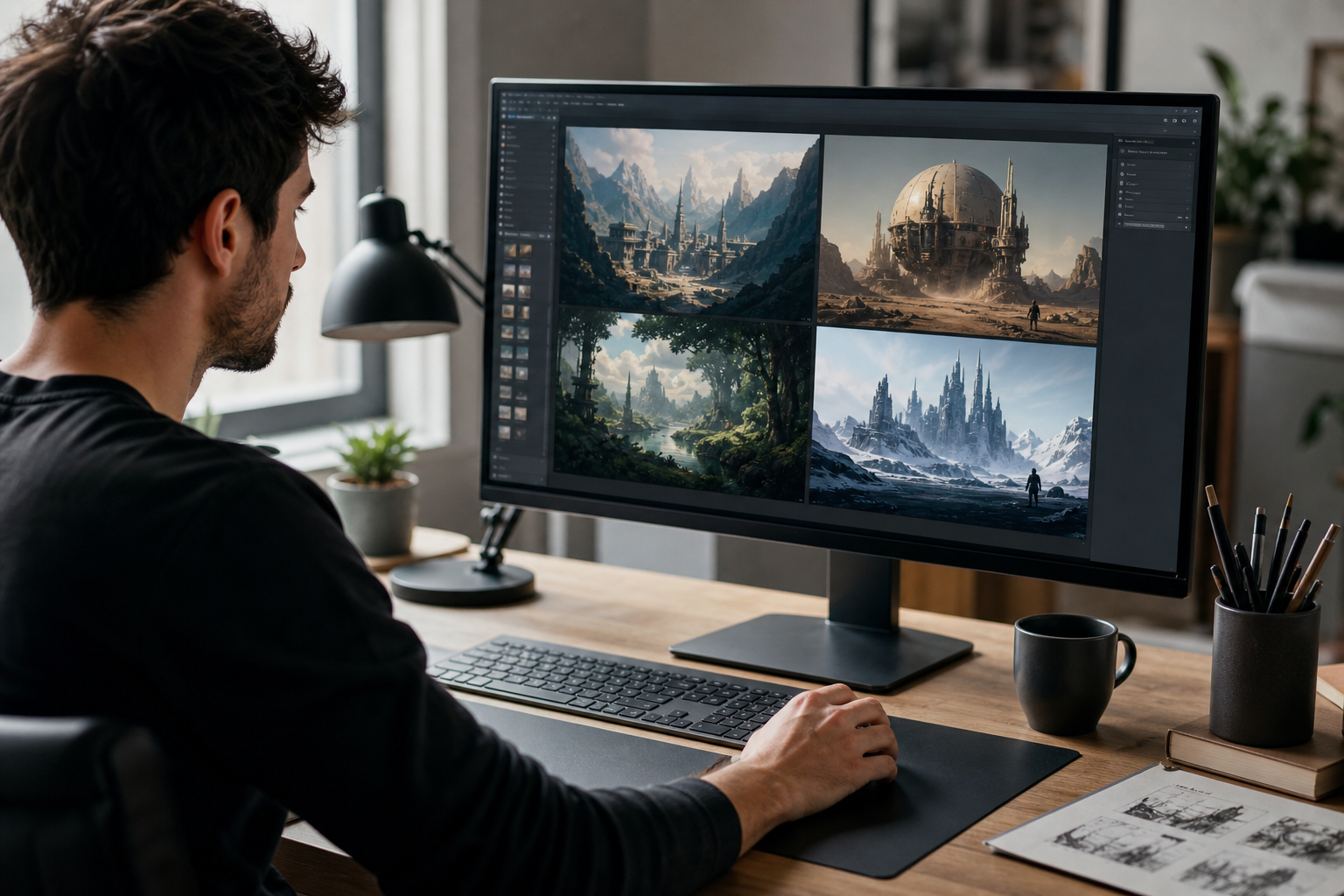
A designer reviews concept images produced by private AI image generation software.
What Is Private AI Image Generation Software?
Private AI image generation software creates images from written prompts without exposing your inputs to outside parties. The provider does not sell your data, and it does not use your prompts or outputs to train its models.
In practice, "private" is a set of commitments. It covers who hosts the model, how long data is kept, who can see it, and what the contract allows. A tool can look polished and still fail on any of these points.
Why Privacy Matters for AI-Generated Images
Prompts are often more revealing than people expect. A single line can describe a product launch, a client campaign, or an internal diagram. Reference images can carry even more detail.
Therefore, the real exposure is on the input side. If a vendor retains prompts or routes them through third-party model providers, your confidential material travels with them. According to the NIST AI Risk Management Framework, organizations should manage privacy and security as part of trustworthy AI use. That principle applies directly to creative tools.
Who Benefits Most
- Marketing and design teams handling pre-launch work
- Agencies protecting client assets
- Healthcare, finance, and legal teams with regulated data
- Government and defense contractors with strict handling rules
Key Features of a Secure AI Image Generator
Not every feature carries equal weight. The table below shows what to check and why.
| Feature | Why it matters |
|---|---|
| Data ownership terms | Confirms you keep your prompts and outputs |
| First-party model hosting | Keeps inputs from reaching third-party providers |
| Role-based access | Limits who can create and view images |
| Export and retention control | Lets you keep copies and delete on your schedule |
| Deployment options | Cloud or self-hosted, based on sensitivity |
Private Image Creation Inside a Broader AI Workspace
Image generation rarely stands alone. Teams also draft text, search documents, and research online. A single private workspace avoids scattering sensitive material across many tools.
For example, aocyber.ai offers AODex, a private AI workspace with image generation, persistent memory, knowledge-base search, web search, tuned personas, and conversation export. AODex runs on AI hosted by AOCyber, not on third-party model providers. You can read more in this overview of private AI workspace software and data ownership.
Developers who need programmatic access can look at AOCore. It is a single OpenAI-compatible API that routes to 500+ models, with AOSentry adding PII tokenization, content guardrails, and prompt-injection detection. In addition, government-grade deployments support air-gapped environments for defense and intelligence work.
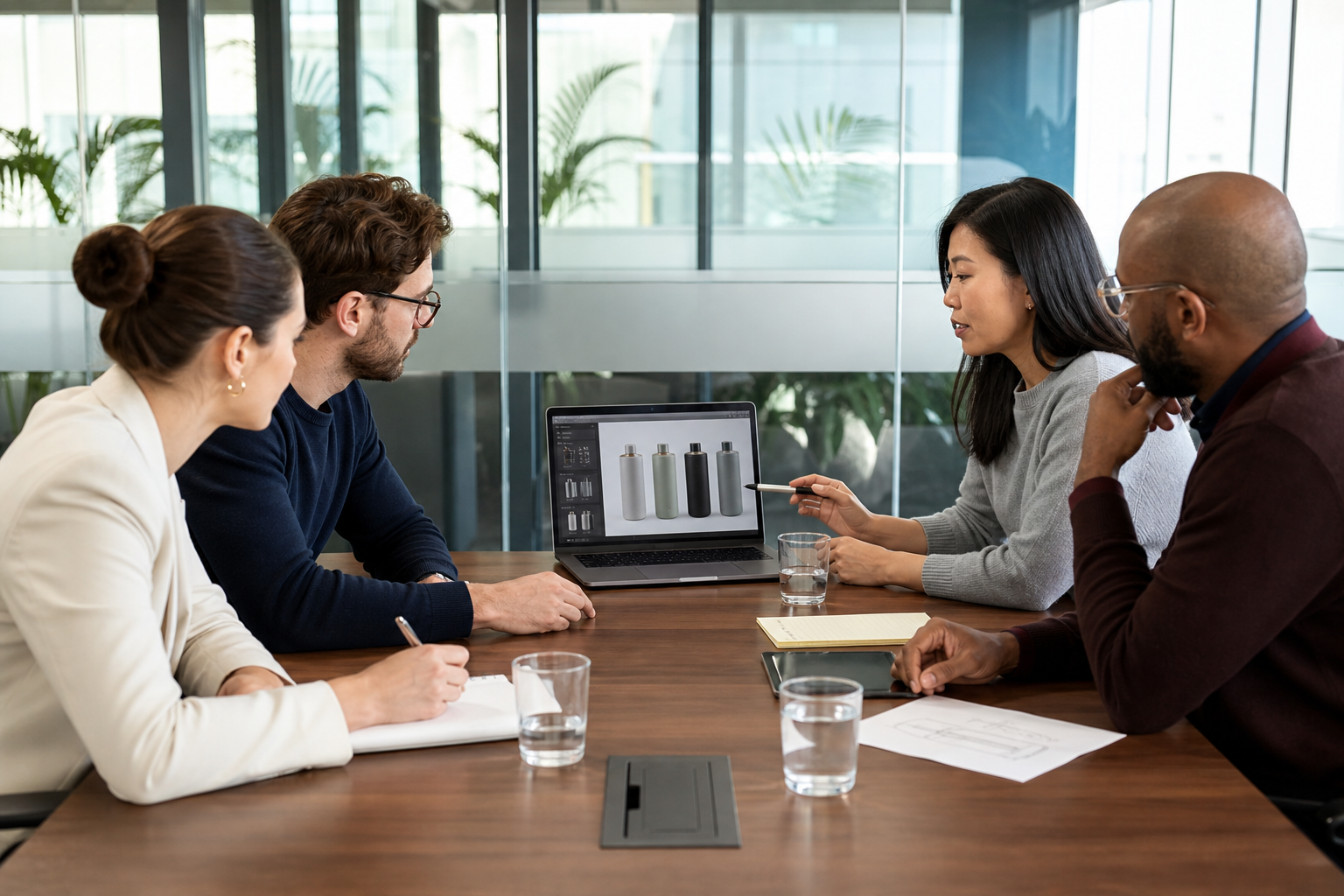
Teams get more value when image generation sits alongside other governed AI tools.
How to Choose a Private Image Generator
Follow these steps to compare vendors fairly.
- Define your data sensitivity. List the prompts, reference images, and brand assets your team will use, and mark which are confidential or regulated.
- Confirm where models run. Ask who hosts the image model and whether any third party receives your prompts.
- Review retention and training terms. Verify that prompts and images are never used to train models or sold.
- Test access controls and export. Check role-based access, audit trails, and export so you can keep your own copies.
- Run a pilot. Trial the tool on real projects, then compare quality, speed, and governance.
Common Mistakes to Avoid
The biggest error is judging on image quality alone. A stunning result means little if the terms allow your prompts to be reused.
Another mistake is ignoring compliance context. Regulated teams should review sector rules first, such as those covered in this guide to AI and HIPAA compliance in healthcare. Similarly, if your files include sensitive documents, see how private AI document management handles them, and learn how classified content detection works for high-security settings.
Frequently Asked Questions
What is private AI image generation software?
It is software that creates images from text prompts while keeping your prompts, reference files, and outputs under your control. The provider does not resell your data or train models on it.
How is it different from public image generators?
Public tools often retain prompts and may use them to improve models. Private tools limit retention, restrict access, and state clearly that your data stays yours.
Why do businesses need private image generation?
Prompts and reference images can reveal unreleased products, client work, and internal strategy. Keeping them private reduces leak and compliance risk.
Can generated images leak confidential information?
The risk usually comes from the inputs, not the output. Pasting confidential details into a prompt sends them to whoever runs the model.
Does private AI image generation need self-hosting?
No. A well-governed cloud service can be private, but self-hosting gives maximum control. Choose based on your sensitivity and compliance needs.
What features should I look for?
Look for clear data ownership terms, role-based access, audit logs, export, and transparent model hosting. Image quality and speed matter too.
Is private image generation more expensive?
Pricing varies by vendor and deployment. Compare the full cost, including the risk reduction, rather than the sticker price alone.
How long does it take to evaluate a tool?
A focused pilot usually takes one to two weeks. Use real workflows so you see true quality and governance fit.
What are common mistakes when choosing a tool?
Teams often judge only on image quality and skip the terms of service. Others forget to ask where inference actually happens.
Can I combine image generation with other AI tasks?
Yes. A private AI workspace can pair image generation with chat, knowledge-base search, and web search in one place.
Who owns the images I generate?
Ownership depends on the vendor's terms and local law. Read the license language and confirm it grants you commercial use of outputs.
Do regulated industries need private image generation?
Often, yes. Healthcare, finance, and government teams handle sensitive data and should confirm that any AI tool fits their compliance obligations.
Conclusion
Private AI image generation software lets you create visuals without giving up control of your prompts, references, or results. Prioritize clear data ownership, first-party model hosting, access controls, and export, then validate them in a real pilot. To see how a private workspace can support image generation alongside your other AI work, explore aocyber.ai.

