A secure AI gateway API is a single, controlled endpoint that sits between your applications and the AI models they use. It lets teams reach many models through one connection while enforcing privacy, security, and spending rules. As AI use spreads across departments, that control point is quickly becoming essential.
Quick answer: Route every model call through one gateway. Tokenize sensitive data, scan for prompt injection, set budgets, and log everything. You get safer AI use without rewriting your apps.

Teams use a secure AI gateway API to see and control every model request.
What Is a Secure AI Gateway API?
A secure AI gateway API is an access layer that receives AI requests, applies policy, and forwards them to the right model. It then inspects the response before returning it. In other words, it works like a checkpoint for all AI traffic.
A standard API gateway handles authentication and rate limits. An AI gateway goes further. It understands prompts, tokens, and models, so it can make decisions based on content and cost.
Why Teams Need One Endpoint for AI Access
Without a gateway, each app often holds its own model keys. As a result, nobody sees the full picture of who sends what, where. Moreover, sensitive data can leave your environment unnoticed.
A gateway fixes this by centralizing three things:
- Credentials, so keys are issued and revoked in one place.
- Policy, so every request meets the same rules.
- Visibility, so logs and spend are easy to audit.
For a deeper look at related capabilities, see this guide to enterprise AI gateway platform features.
Core Security Features to Look For
PII Tokenization
Personally identifiable information (PII) should not reach a model unprotected. Tokenization swaps real values for placeholders before the prompt leaves your control. Consequently, a leaked prompt reveals far less.
Guardrails and Injection Detection
Content guardrails block disallowed topics. Jailbreak and prompt-injection detection flags text that tries to override instructions. The OWASP Top 10 for LLM Applications lists prompt injection among the leading risks, so this control matters.
Budgets and Audit Logs
Budget limits per key or team prevent surprise bills. Meanwhile, audit logs support reviews and incident response.
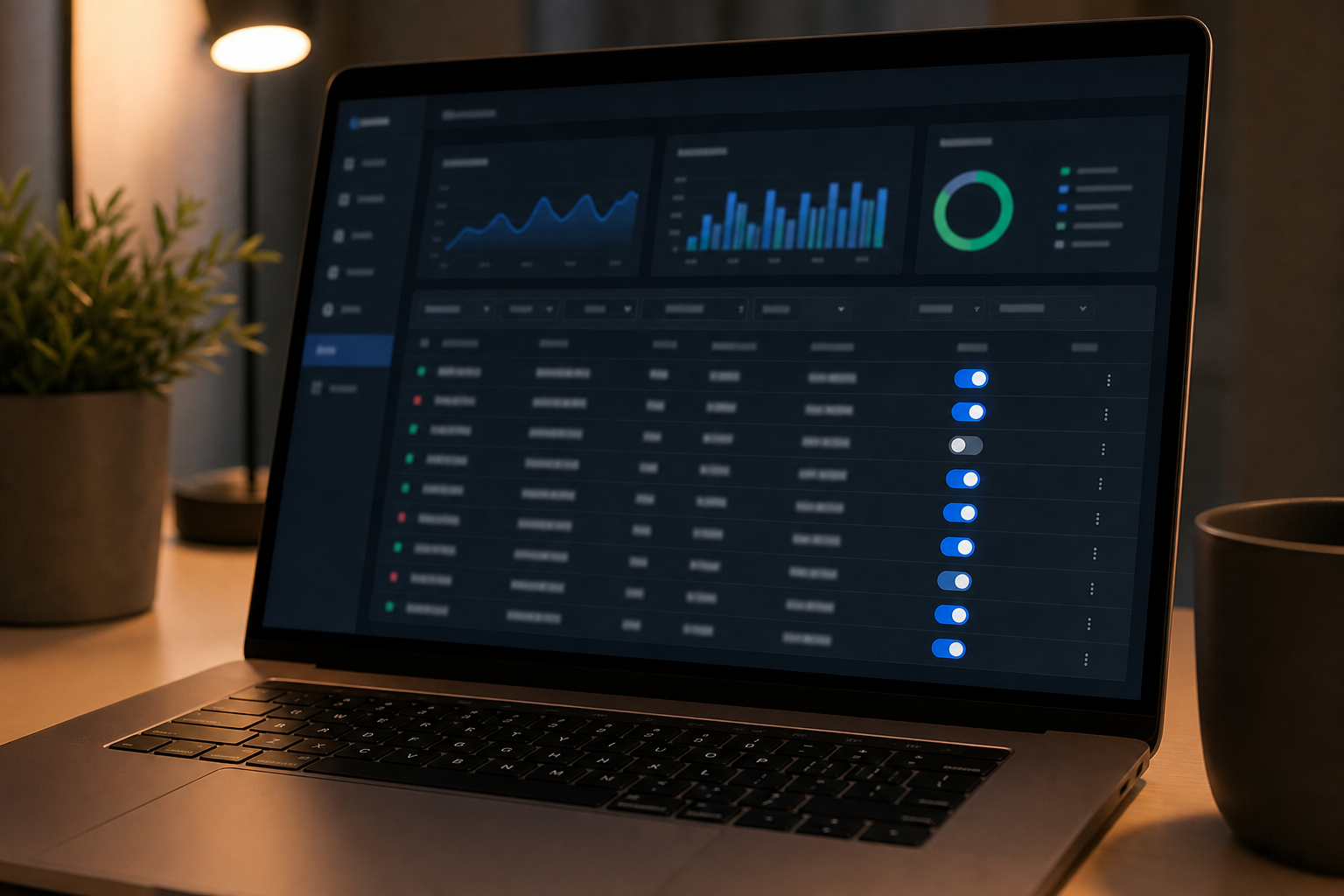
Logs and policy controls give security teams a clear view of AI usage.
OpenAI-Compatible Routing Across Many Models
An OpenAI-compatible interface means existing clients work with a simple base URL change. In addition, routing lets you pick different models for different tasks without new integrations. This supports a multi-model AI strategy while keeping one security posture.
For example, AOCore from aocyber.ai provides one OpenAI-compatible API that routes to 500+ models. Its AOSentry layer adds PII tokenization, content guardrails, and jailbreak and prompt-injection detection. Technical details are in the AOCore documentation.
Deployment and Compliance Considerations
Where the gateway runs matters as much as what it does. Some organizations can use the cloud. Others need self-hosted or isolated environments.
AOCore supports cloud and self-hosted deployment. A government edition targets DoD, intelligence community, and defense industrial base needs, including IL5-deployable, air-gapped, and SCIF-capable options, CNSA 2.0 post-quantum cryptography, and CMMC Level 3 alignment. Regulated teams can also read about a gateway-first approach for regulated industries.
How to Roll Out a Secure AI Gateway API
- Inventory every app, team, and script that calls an AI model.
- Define policies for sensitive data, blocked topics, and budgets.
- Issue separate scoped keys for each app or team.
- Switch your client's base URL to the gateway endpoint.
- Monitor logs and spend weekly, then tune guardrails and routing.
How to Compare Gateway Options
| Criterion | What to check |
|---|---|
| Model coverage | Number of models and ease of switching |
| Security controls | PII handling, guardrails, injection detection |
| Deployment | Cloud, self-hosted, or air-gapped |
| Data terms | Whether prompts are used for training |
Test with real traffic before you commit. Finally, ask for written data handling terms.
Frequently Asked Questions
What is a secure AI gateway API?
A secure AI gateway API is a single endpoint that routes requests to many AI models while enforcing security, privacy, and cost policies. Apps call the gateway instead of each model provider directly.
How is an AI gateway different from a normal API gateway?
A traditional API gateway handles authentication and rate limits. An AI gateway adds model routing, prompt and response inspection, PII protection, and token-based budgets.
Why use a gateway instead of calling models directly?
A gateway centralizes keys, logging, and policy. You avoid scattering credentials across apps and gain one place to block risky prompts.
What is PII tokenization?
PII tokenization replaces sensitive values, such as names or account numbers, with placeholders before a prompt leaves your environment. The real values can be restored in the response when authorized.
Does an OpenAI-compatible API make migration easier?
Yes. If the gateway follows the OpenAI request format, most existing clients only need a new base URL and key.
What is prompt injection?
Prompt injection is an attack where malicious text tries to override a model's instructions. Gateways can scan inputs and outputs for known patterns and block them.
How long does it take to deploy a gateway?
A basic cloud setup can take under an hour if you only change the base URL. Policy design and testing usually take longer.
What does a secure AI gateway API cost?
Pricing varies by vendor, usage, and deployment model. Compare tiered plans, model pass-through costs, and any enterprise infrastructure fees.
Can a gateway run in a self-hosted or air-gapped environment?
Some can. AOCore offers cloud and self-hosted options, and its government edition supports air-gapped and SCIF-capable deployments.
What are common mistakes when adopting a gateway?
Teams often skip the usage inventory, share one key across apps, or leave guardrails in log-only mode. Each mistake weakens visibility and control.
Does a gateway help with cost control?
Yes. Budget limits per key or team stop runaway spend, and usage logs show which models cost the most.
How do I choose between gateway vendors?
Compare model coverage, security controls, deployment options, compliance alignment, and data handling terms. Test with real traffic before committing.
Conclusion
A secure AI gateway API gives you one place to manage model access, protect sensitive data, and control spend. Start by inventorying usage, define clear policies, and switch your base URL. To explore a working option, visit aocyber.ai and review how AOCore approaches secure, multi-model AI access.