DISA compliant AI software is AI software that meets the security configuration, identity, and authorization expectations set by the Defense Information Systems Agency for systems used in Department of Defense environments. Buyers in defense and intelligence need proof, not promises. This guide explains what to ask for, what the standards mean, and how to test a vendor before you commit.
Quick answer: No single DISA seal exists for AI. Compliance is shown through STIG alignment, a fit with the right DoD impact level, CAC/PIV authentication, strong cryptography, and an authorization from your own approving authority.
What Is DISA Compliant AI Software?
DISA compliant AI software is an AI product that can be deployed and operated in line with DISA security guidance. That includes hardened configurations, controlled data handling, and identity systems approved for defense use. In practice, "compliant" describes a body of evidence, not a badge.
DISA is the DoD agency responsible for much of the department's IT and cybersecurity standards. You can read about its mission on the official DISA website. For a broader view of the rules shaping this market, see our guide to DoD AI software compliance requirements for 2026.
Core Requirements Behind DoD-Ready AI
Several building blocks show up in nearly every defense AI review. Each one answers a different risk.
STIG Alignment
A Security Technical Implementation Guide (STIG) is a DISA checklist for hardening operating systems, databases, and applications. Ask which STIGs apply to the vendor's stack and request evidence of how the product meets them.
Impact Levels
DoD cloud guidance groups workloads into impact levels based on data sensitivity. Impact Level 5 (IL5) applies to higher-sensitivity controlled unclassified information. Therefore, confirm the vendor can deploy at the level your data requires.
Identity and Access
Defense users sign in with Common Access Cards or PIV credentials. Software should support smart card login and role-based access so every action ties to a verified person. Our article on CAC/PIV integrated AI for secure government access covers this in depth.
Cryptography
The NSA's CNSA 2.0 guidance sets a path toward quantum-resistant algorithms for national security systems. Meanwhile, NIST maintains the post-quantum cryptography standards that many vendors follow. Ask how the product handles encryption today and how it will migrate.

An analyst checks vendor evidence before approving DISA compliant AI software for a secure network.
DISA, CMMC, and FedRAMP: How They Differ
These frameworks overlap, yet each serves a different purpose. Mixing them up is a common buying error.
| Framework | Main focus | Who it applies to |
|---|---|---|
| DISA STIGs and impact levels | System hardening and DoD cloud authorization | Systems used in DoD environments |
| CMMC | Contractor protection of controlled information | Defense Industrial Base contractors |
| FedRAMP | Standardized federal cloud security assessment | Cloud services sold to federal agencies |
Contractors should also review our Defense Industrial Base AI solutions guide for CMMC-specific concerns.
AI-Specific Risks Compliance Must Cover
AI adds risks that older software did not have. Prompts can leak sensitive data. Models can be manipulated through prompt injection, where hidden instructions override the system's rules. Furthermore, sending data to outside model providers can break your boundary.
Look for controls such as PII tokenization, content guardrails, jailbreak detection, and full audit logging. An AI gateway can enforce these in one place across many models. For example, aocyber.ai offers AOCore, an OpenAI-compatible gateway with AOSentry governance, plus a government edition built for IL5-deployable, CNSA 2.0, and air-gapped needs. For wider context, read the complete guide to secure AI for government agencies.
How to Vet DISA Compliant AI Software Step by Step
- Define your impact level. Map your data sensitivity to the required DoD impact level.
- Request STIG evidence. Ask for documented hardening and recent checklist or scan results.
- Test identity integration. Confirm CAC/PIV login and role-based access in a pilot.
- Verify cryptography and data handling. Review encryption, key management, logging, and where prompts are stored.
- Pilot in your real environment. Test in the actual network, whether cloud, self-hosted, or air-gapped.
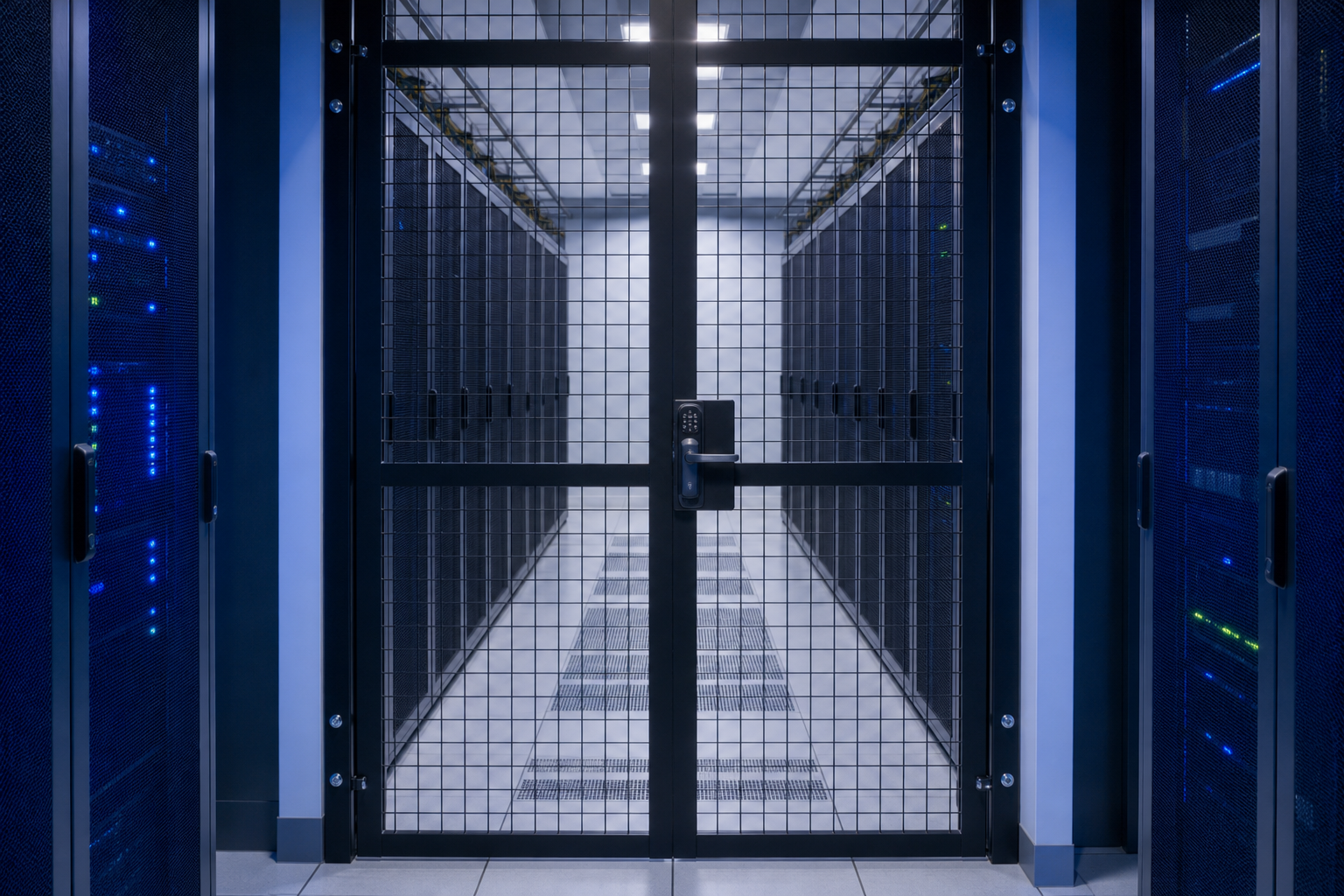
Self-hosted and air-gapped hardware gives defense teams full control over AI data.
Red Flags When Choosing a Vendor
- Claims of "fully compliant" with no documentation.
- Hidden data flows to third-party model providers.
- No support for smart card login or detailed audit logs.
- Vague answers about which impact level is supported.
- Terms that allow training on your data.
Data ownership also matters beyond defense. Our overview of a private AI workspace with secure data ownership explains why control over data is a security issue, not only a privacy preference.
Frequently Asked Questions
What does DISA compliant AI software mean?
It means AI software built and configured to meet DISA security requirements, including applicable STIGs, DoD cloud impact levels, and strong identity controls. There is no single DISA seal for AI, so compliance is shown through evidence.
Is there an official DISA certification for AI tools?
No single certification covers every AI product. Compliance usually combines STIG alignment, a DoD provisional authorization or agency authority to operate, and related frameworks.
What is a STIG?
A Security Technical Implementation Guide is a DISA configuration standard for hardening systems. Vendors and agencies use STIGs as checklists for secure deployment.
What is Impact Level 5?
Impact Level 5 covers controlled unclassified information that requires higher protection, including some national security systems data. It carries stricter isolation and access requirements than lower levels.
Do I need CAC/PIV authentication?
For most DoD environments, yes. Smart card authentication ties access to a verified identity and supports auditing.
Can AI run in an air-gapped environment?
Yes, if the software supports fully self-hosted deployment with no outside dependencies. Models, search, and updates must all be deliverable offline.
How is DISA compliance different from CMMC?
DISA standards govern how DoD systems are configured and authorized, while CMMC verifies how contractors protect controlled information. Many organizations need to address both.
Is FedRAMP the same as DISA authorization?
No. FedRAMP is a federal cloud program, while DoD cloud use follows DISA impact levels and provisional authorizations. They are related but separate processes.
Why does post-quantum cryptography matter?
Adversaries may store encrypted data now and decrypt it later with quantum computers. NSA's CNSA 2.0 guidance sets a timeline for moving national security systems to quantum-resistant algorithms.
How do AI gateways help with compliance?
A gateway centralizes access, logging, and policy enforcement across models. Features such as PII tokenization, guardrails, and injection detection reduce data exposure.
What are common mistakes when buying DISA compliant AI software?
Common mistakes include accepting marketing claims without evidence, ignoring data flows to third-party models, and skipping a pilot in the real network.
How long does vetting an AI vendor take?
A first technical review can take days, but authorization timelines depend on your agency and impact level. Plan for weeks to months for full approval.
Conclusion
Choosing DISA compliant AI software comes down to evidence. Confirm STIG alignment, the right impact level, CAC/PIV login, modern cryptography, and clear control over data flows. Then pilot the product in your own environment before you scale. Teams that follow this checklist reduce risk and move through authorization with fewer surprises.